





Junction Boxes
When you work with electrical wiring, clean and safe connections matter more than most people realise. Junction boxes protect wire joints, manage cable routes, and reduce fire or fault risks. Whether you handle residential wiring, commercial installations, or industrial control panels, the right junction box makes every connection safer and easier to maintain.
From plastic electrical junction boxes for homes to metal and stainless steel junction boxes for demanding environments, this category supports compliant, long-lasting electrical installations. As the largest electrical supplier in the UK, I’ve seen many faults come from exposed joints or overcrowded wiring—using the right junction box prevents those issues before they start.
Complete Range of Junction Boxes
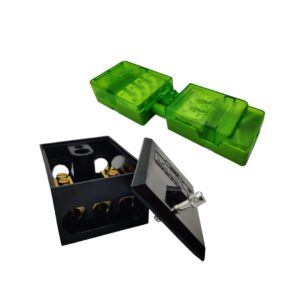
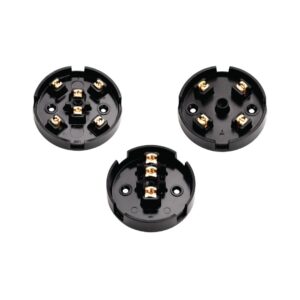
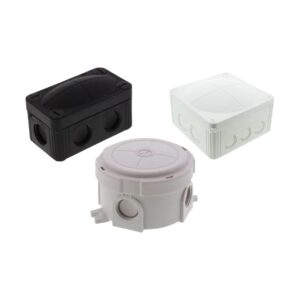
Sourcing the correct junction box electrical type often saves hours on-site. This category brings everything together in one place. You’ll find PVC junction boxes, metal junction boxes, conduit junction boxes, and weatherproof junction boxes designed to suit different wiring systems.
Because wiring conditions vary, boxes differ in depth, material, and entry points. For example, in-wall junction boxes help keep finishes clean, while surface-mounted conduit boxes support visible industrial wiring. Each option focuses on protection, accessibility, and compliance.
What We Offer at a Glance
Our junction box range supports domestic, commercial, and industrial wiring projects, including:
- Electrical junction boxes for lighting and power circuits
- Plastic junction boxes and PVC conduit boxes
- Metal, steel, and stainless steel junction boxes
- Weatherproof and outdoor junction boxes
- Conduit junction boxes and back boxes
- Wiring junction boxes with connectors or terminals
Each junction box helps organise wires, protect joints, and simplify future inspections.
Junction Boxes by Material
Plastic & PVC Junction Boxes
Plastic junction boxes remain popular for residential wiring. They are lightweight, insulated, and easy to install. PVC junction boxes suit lighting circuits, socket wiring, and ceiling installations.
They work well where corrosion resistance matters and mechanical stress stays low. For many home projects, these boxes keep wiring neat and compliant without adding unnecessary cost.
Metal & Stainless Steel Junction Boxes
In commercial or industrial environments, metal junction boxes provide stronger protection. Steel and stainless steel junction boxes handle impact, vibration, and higher temperatures better than plastic.
I often recommend stainless steel boxes in food processing areas, plant rooms, or outdoor locations. They resist corrosion and support long-term reliability.
Conduit & Wiring Junction Boxes
Conduit Junction Boxes
Conduit junction boxes connect conduit runs and protect cable transitions. They support neat routing in factories, warehouses, and commercial buildings.
These boxes simplify cable pulls, reduce strain on wires, and keep systems serviceable. They also help meet electrical wiring installation standards.
Wiring Junction Boxes for Lighting & Power
Wiring junction boxes manage connections for lighting circuits, sockets, and distribution points. Whether used for house wiring or commercial lighting, they protect wire joints and improve safety.
Choosing the correct size prevents overcrowding and overheating—two issues I’ve seen cause avoidable failures.
Indoor vs Outdoor Junction Boxes
Indoor wiring often uses PVC or plastic junction boxes. Outdoor or exposed areas need weatherproof junction boxes with sealed entries.
Weatherproof boxes protect against moisture, dust, and temperature changes. They are essential for outdoor lighting, alarms, and external power connections.
Who Benefits Most from Junction Boxes
- Electricians & Electrical Contractors: Safe, tidy wire connections on every job
- Commercial & Industrial Installers: Durable boxes for demanding environments
- Facilities & Maintenance Teams: Easy access for inspections and repairs
- Fire Alarm & CCTV Installers: Secure cable junctions for system reliability
- Property Developers & Builders: Compliant wiring for long-term safety
- Advanced DIY Users: Reliable solutions for home electrical projects
Buying Guide – Choosing the Right Junction Box
Match the Box to the Wiring Type
Start by identifying cable size, number of connections, and installation location. Plastic junction boxes suit light domestic loads, while metal junction boxes handle industrial wiring.
Safety & Compliance
Always select junction boxes rated for the environment and cable type. Proper enclosures reduce fire risk and support inspections under UK wiring regulations.
Common Use Cases
Junction boxes are widely used in:
- Residential house wiring
- Lighting and ceiling circuits
- Commercial offices and retail spaces
- Industrial control panels
- Fire alarm and security systems
Correct use improves safety, accessibility, and system lifespan.
Frequently Asked Questions
What is a junction box used for?
A junction box protects wire connections and organises cables safely.
Plastic or metal junction box—which is better?
Plastic suits domestic wiring. Metal works better for industrial or high-impact areas.
Can junction boxes be installed outdoors?
Yes, but only weatherproof junction boxes with sealed entries should be used.
How often should junction boxes be inspected?
Inspect during routine maintenance or when modifying wiring systems.
Browse Junction Boxes
Explore our full range of electrical junction boxes, including PVC, metal, stainless steel, conduit, and weatherproof options. Choose solutions designed for safe, compliant, and long-lasting wiring installations.