





Heating & Ventilation
When you design or install a building system, heating and ventilation never work in isolation.
Comfort, air quality, energy use, and compliance all depend on how well these systems work together.
From small domestic upgrades to complex commercial plant rooms, heating & ventilation systems control how buildings feel, perform, and last over time.
At EWS – Electrical Wholesale Supplies, this category brings together heating systems, ventilation equipment, heat recovery solutions, ducting, controls, and accessories—so engineers and contractors can plan, install, and maintain systems with confidence.
Whether the goal is warmth, fresh air, efficiency, or compliance, the right equipment makes every project smoother and more reliable.
A Complete Heating & Ventilation Supply in One Place
Most professionals don’t want fragmented sourcing. They want systems that integrate properly from day one. This category covers heating and ventilation products used across domestic, commercial, and industrial buildings. You’ll find boilers, heaters, mechanical ventilation systems, heat recovery ventilation units, ducting, fans, grilles, controls, and system accessories—all designed to work together.
By keeping components compatible, installations become faster, commissioning becomes easier, and long-term performance improves. As a result, projects stay on schedule, and systems remain serviceable for years.
What You’ll Find in This Category
This range supports everyday installs and large-scale mechanical projects alike.
Products include heating systems, ventilation systems, mechanical ventilation with heat recovery (MVHR), heat recovery ventilators, extract and supply fans, air handling components, ducting, grilles, diffusers, dampers, controls, sensors, and mounting accessories.
Each product group exists to solve a real on-site problem—maintaining temperature, improving indoor air quality, managing moisture, or reducing energy loss.
Heating Systems
Reliable Heating for Domestic and Commercial Buildings
Heating systems define comfort and usability in any building.
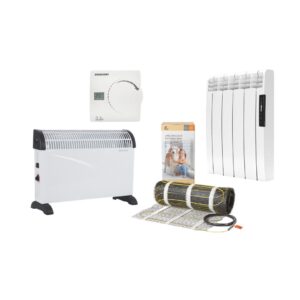
This category includes central heating equipment, space heaters, electric heating, warm air heating, and supporting components used in residential, commercial, and industrial environments.
Correct heat output, zoning, and control selection help prevent uneven temperatures, wasted energy, and occupant complaints.
Well-designed heating systems also reduce maintenance callouts and extend equipment lifespan.
Ventilation Systems
Fresh Air, Controlled Flow, Better Air Quality
Ventilation does more than move air.
It removes moisture, pollutants, and heat build-up while supporting occupant health.
This section includes ventilation systems, mechanical ventilation, supply and extract fans, bathroom and utility ventilation, and whole-house ventilation solutions.
Proper airflow design improves comfort, prevents condensation, and protects building fabric—especially in airtight or refurbished properties.
Mechanical Ventilation with Heat Recovery (MVHR)
Ventilation Without Energy Waste
Mechanical ventilation with heat recovery balances fresh air with energy efficiency.
MVHR systems recover heat from extracted air and reuse it to warm incoming air. This reduces heating demand while maintaining constant airflow.
These systems are widely used in new builds, low-energy homes, and commercial buildings targeting efficiency and compliance.
For retrofit and energy-efficiency contractors, MVHR offers measurable long-term savings and improved indoor comfort.
Heat Recovery Ventilation Systems
Smarter Air Exchange for Modern Buildings
Heat recovery ventilation systems suit both whole-house and single-room applications.
Options include centralised and decentralised units, making them flexible for apartments, offices, and refurbishment projects.
By stabilising indoor temperatures and reducing drafts, these systems improve user comfort while supporting sustainability goals.
Ducting, Air Distribution & Accessories
Moving Air Where It’s Needed
Efficient ventilation depends on proper air distribution.
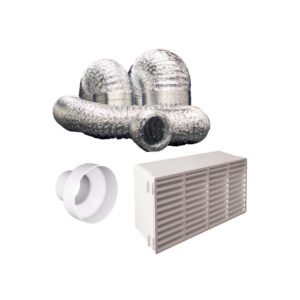
This category includes ventilation ducting, flexible and rigid duct systems, bends, reducers, grilles, diffusers, dampers, and mounting accessories.
Correct sizing and routing reduce noise, pressure loss, and uneven airflow.
That makes commissioning simpler and long-term performance more predictable.
Controls, Sensors & System Management
H3: Precision Control for Energy Efficiency
Modern heating and ventilation systems rely on accurate control.
This range includes thermostats, timers, airflow controls, humidity sensors, and system controllers.
Good control strategies reduce energy use, support zoning, and help meet building regulations—especially in commercial and public-sector projects.
Who This Category Is Built For
Heating & HVAC Engineers
Engineers benefit from compatible heating and ventilation components that simplify design, installation, and servicing.
Mechanical & M&E Contractors
Integrated systems reduce coordination issues across large commercial and industrial projects.
Facilities & Building Management Teams
Reliable ventilation and heating equipment support ongoing maintenance and occupant comfort.
Developers, Builders & Fit-Out Contractors
Scalable systems make it easier to meet regulations and future-proof buildings.
Procurement & Wholesale Buyers
Consistent specifications and bulk availability support repeat projects and cost control.
Buying Guide – Making the Right System Choices
Planning Heating & Ventilation Together
Start by assessing building size, usage, and occupancy.
Then balance heating output with ventilation airflow to avoid inefficiencies.
Efficiency, Compliance & Future Proofing
Choose systems that support energy regulations and allow expansion.
Heat recovery and smart controls reduce running costs and inspection risks.
Typical Applications
Heating & ventilation systems are used across homes, offices, retail spaces, warehouses, factories, schools, healthcare buildings, and hospitality venues.
They also play a key role in retrofit projects, heat pump installations, and low-energy building designs.
Well-designed systems improve comfort today and simplify upgrades tomorrow.
Technical Compatibility & Specifications
Product details include airflow rates, heat recovery efficiency, power ratings, duct sizes, control compatibility, and installation guidance.
Matching components correctly reduces installation errors and improves long-term reliability.
Supporting Your Workflow
By sourcing heating and ventilation equipment from one category, projects become easier to plan and manage.
Clear product groupings reduce downtime, while repeatable SKUs simplify reordering for maintenance teams and long-term contracts.
Frequently Asked Questions
What is the difference between ventilation and MVHR?
Ventilation replaces air. MVHR replaces air while recovering heat, improving efficiency.
Are heat recovery systems suitable for retrofit projects?
Yes. Decentralised and single-room units work well in refurbishments.
How do I size a ventilation system correctly?
Sizing depends on room volume, occupancy, and building regulations.
Do heating and ventilation systems need regular maintenance?
Yes. Filters, fans, controls, and heat exchangers require inspection for efficiency and safety.
How does a heat recovery ventilator work?
A heat recovery ventilator (HRV) extracts stale air and transfers heat to incoming fresh air. This maintains indoor comfort while saving energy by reducing the heating load. Proper installation ensures maximum efficiency.
What is the difference between centralised and decentralised ventilation systems?
Centralised systems handle airflow for an entire building from one unit, ideal for new builds. Decentralised units serve individual rooms or zones, perfect for retrofits or small-scale projects.
How often should filters in ventilation systems be replaced?
Filters should be inspected every 3–6 months, depending on usage and environment. Regular replacement improves airflow, indoor air quality, and system efficiency.
Can I install an MVHR system in an existing house?
Yes. Single-room or decentralised MVHR units allow installation without major structural changes, making them suitable for retrofits and energy-efficient upgrades.
What maintenance is required for heat recovery ventilation systems?
Clean or replace filters, inspect fans, check heat exchanger integrity, and ensure ductwork is unobstructed. Annual servicing ensures optimum efficiency and prolongs equipment life.
How do I choose the right heating system for a commercial building?
Consider building size, occupancy patterns, energy efficiency goals, and regulatory requirements. Combining heating with ventilation systems ensures balanced comfort and airflow.
What is the typical lifespan of a mechanical ventilation system?
A well-maintained system can last 15–20 years. Regular inspections, cleaning, and timely replacement of components like fans and heat exchangers are essential.
Are there energy efficiency benefits to combining heating and ventilation controls?
Yes. Integrated controls allow precise temperature and airflow management, reducing energy consumption and utility costs while maintaining occupant comfort.
Can heating and ventilation systems improve indoor air quality?
Absolutely. Proper ventilation removes pollutants, moisture, and allergens. Heat recovery systems maintain a fresh air supply while minimising energy loss.
What safety standards apply to heating & ventilation installations in the UK?
Installations must comply with BS EN 12599, BS 7671 (IET Wiring Regulations), and local building regulations. Energy efficiency and safety considerations, including ventilation rates and heat recovery standards, are essential for compliance.
Browse Heating & Ventilation
Explore our full range of heating systems, ventilation equipment, heat recovery solutions, ducting, controls, and accessories.
Plan confidently, install efficiently, and deliver systems that perform long after handover.
- Explore our full Heating Systems range
- Discover Ventilation & MVHR solutions
- Shop HVAC controls & accessories