





Holesaws | Tools That Make Every Hole Easier
When I first started working on electrical installations, I quickly realised that not all holesaws are created equal. One job I had involved fitting multiple socket boxes in a timber panel. Using a standard bit meant slow progress and messy edges. Switching to a quality holesaw set changed everything—cuts were cleaner, faster, and my drill worked with less strain. That’s exactly why having the right holesaws and accessories matters for electricians, contractors, and DIY users alike.
Every cut counts. Whether you’re drilling into wood, steel, plastic, or masonry, the right holesaw ensures you save time, avoid mistakes, and protect both your workpiece and your drill.
Why the Right Holesaw Makes a Difference
On busy sites, mistakes are costly. I’ve seen projects delayed because the wrong bit was used, creating oversized holes or damaging the material. With holesaw sets, bi-metal holesaws, and compatible drill accessories, you get clean results every time. Using the right tool also reduces fatigue—your wrist and drill motor stay happy, even after multiple holes.
Whether you are installing cable trays, fixing socket boxes, or making precise openings in panels, these tools help you work smarter, not harder.
Wood Holesaws: Fast and Clean Cuts
I often use wood holesaws for timber panels and plywood. Early in my career, I learned the hard way that cheap bits tear wood and leave splinters. A proper holesaw set lets you drill accurate openings for sockets, pipes, or conduit with minimal cleanup. Spade bits or flat wood bits are also great when you need bigger holes quickly.
From my experience, investing in good wood holesaws pays off in time saved and a professional finish every time.
Metal Holesaws: Durability Matters
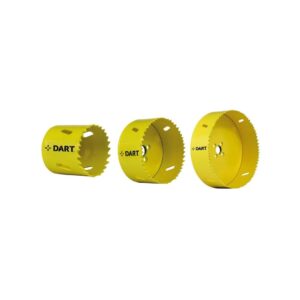
Drilling steel or aluminium requires patience and precision. Bi-metal holesaws or industrial metal holesaw sets cut effectively without overheating. I’ve used these when fitting panels and metal enclosures for electrical projects—they maintain their edge, deliver clean holes, and prevent frustration.
Pairing them with the right drill accessories and your electric or cordless drill ensures both efficiency and safety.
Masonry and Core Holesaws: Power Through Tough Materials
Concrete and brick can be unforgiving. I remember struggling with a block wall until I switched to the correct core drill bit and masonry holesaw. Hammer drills combined with these tools let me drill clean holes without cracking the surrounding surfaces.
For larger openings, using holesaw sets with pilot bits stabilises the drill, prevents wander, and produces professional results every time.
Accessories and Kits That Improve Accuracy
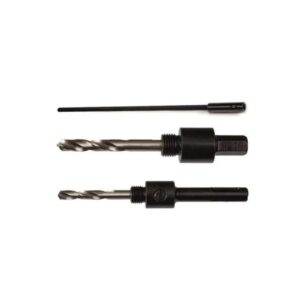
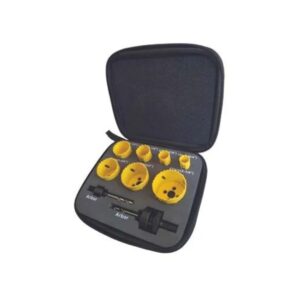
Even the best holesaw performs better with the right accessories. I always keep a set of arbours, mandrels, and pilot bits handy—they help control depth, maintain alignment, and extend the life of my tools. Holesaw kits with multiple diameters have saved me countless trips to the tool store.
When working on a tight schedule, having a fully equipped kit at hand is a lifesaver.
Who Benefits Most from These Tools
From my experience, these tools help:
- Electricians & Electrical Contractors – for clean, precise holes in panels, socket boxes, and conduits.
- Construction & Renovation Teams – accurate holes in wood, metal, and masonry, saving time and material.
- Industrial Maintenance Teams – core drilling and panel cutouts without damaging equipment.
- DIY Enthusiasts & Workshop Users – professional results without expensive rework.
- Tool Retailers & B2B Buyers – stocking versatile kits and accessories that customers trust.
Practical Tips for Choosing the Right Holesaw
- Match the material – wood, metal, masonry each needs a specific tooth or core design.
- Check the diameter and depth – choose a set for versatility or single sizes for repeated tasks.
- Confirm drill compatibility – cordless, power drills, or SDS systems all require the correct arbour.
- Consider frequency of use – heavy-duty holesaws last longer under repeated work.
- Use accessories – pilot bits, mandrels, and depth stops- to improve control, safety, and accuracy.
Common Use Cases I’ve Seen in the Field
- Electrical panel installations
- Socket and switch box cutouts
- Cable tray and conduit entries
- HVAC, fire and security system installation
- Industrial maintenance and workshop projects
Using the right holesaws makes these jobs faster, cleaner, and more professional.
Frequently Asked Questions
What material should I use my holesaw on?
Always match the holesaw to the material—wood, metal, and masonry each require different designs. Using the wrong bit leads to messy cuts and shortens tool life.
Do holesaw kits save time?
Yes. Kits with multiple diameters let you handle varied tasks without interrupting work.
How do I extend holesaw life?
Use correct speed, steady pressure, and keep teeth sharp. Clean and store properly after each use.
Are accessories necessary?
Absolutely. Pilot bits, arbours, and mandrels improve control, precision, and safety.
Browse Holesaws & Accessories
Explore our full range of holesaws, holesaw sets, and accessories for electricians, contractors, and DIY users. With the right tools, every hole is faster, cleaner, and professional:
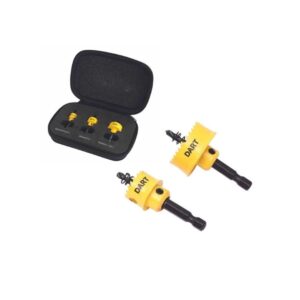
- Holesaw Sets & Kits – multiple diameters, versatile for every job
- Metal & Bi-Metal Holesaws – precise cutting for steel and aluminium
- Wood & Masonry Holesaws – fast, clean holes for panels and installations
- Accessories & Drill Adapters – control depth, improve accuracy, extend tool life