





Fire Systems
Fire risks rarely give warning.
That’s why early detection and clear alerts matter.
Fire systems exist to protect people first, then property and operations. When designed correctly, they detect danger early, trigger fast alerts, and support safe evacuation. They also help buildings meet legal fire safety duties without complexity.
This Fire category brings together fire alarm systems, fire detection systems, detectors, warning devices, and supporting components used across commercial, industrial, and residential sites in the UK. Whether you’re installing a new system or upgrading an older one, the right fire equipment reduces false alarms, simplifies compliance, and improves long-term reliability.
Fire Systems Designed for Early Detection & Compliance
Fire protection works best when systems respond early and consistently.
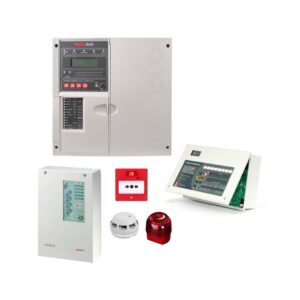
Fire alarm systems connect control panels with detection and warning devices. Fire detection systems identify smoke, heat, or abnormal conditions before a fire spreads. Together, they create a structured response that protects occupants and assets.
This category supports installers and engineers who need dependable components that work together without compatibility issues. Clear specifications make planning easier, while proven system layouts reduce commissioning delays.
Fire Alarm Systems
Addressable Fire Alarm Systems
Addressable fire alarm systems allow each device to report its exact location.
This makes fault finding faster and response more accurate.
They are widely used in offices, hospitals, schools, warehouses, and large commercial buildings where system visibility matters. Addressable panels also support future expansion without full replacement.
Conventional Fire Alarm Systems
Conventional fire alarm systems divide buildings into zones rather than individual devices.
They remain a practical choice for smaller buildings, retail units, and low-risk environments. Simple layouts, lower upfront cost, and straightforward maintenance make them suitable for many sites.
Fire Detection Devices
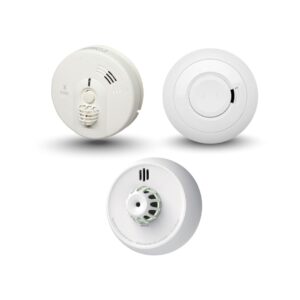
Smoke Detectors
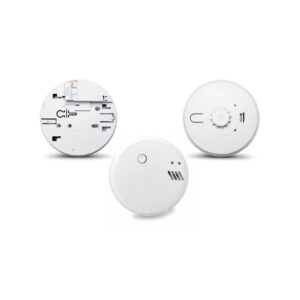
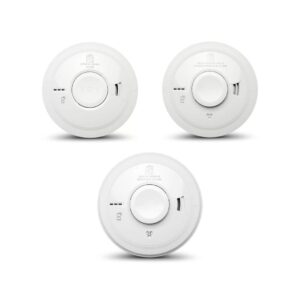
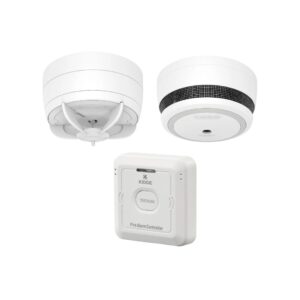
Smoke detectors provide the earliest warning in most environments.
Optical and multi-sensor options reduce nuisance alarms while maintaining sensitivity. Correct placement improves accuracy and long-term performance.
Heat & Multi-Sensor Detectors
Heat detectors suit kitchens, plant rooms, and dusty areas.
Multi-sensor detectors combine heat and smoke detection to improve reliability in complex environments. Choosing the right detector type reduces false alarms and improves system confidence.
Fire Warning & Alarm Devices
Sounders, Beacons & Call Points
Fire warning devices ensure occupants know when to act.
Sounders, beacons, and manual call points deliver clear alerts across noisy or visually complex spaces. Proper spacing and compatibility with control panels ensure consistent coverage during emergencies.
Fire System Integration & Monitoring
Fire systems rarely operate alone.
They often integrate with access control, building management systems, and monitoring platforms. During a fire event, doors may release, alerts may trigger CCTV recording, and notifications may reach remote monitoring centres.
Good integration improves safety while supporting operational continuity.
Compliance, Standards & Best Practice (UK)
Fire systems must meet UK fire safety standards.
Most installations follow BS 5839 for fire alarm design, installation, and maintenance. Components typically comply with BS EN 54, while overall fire safety obligations align with Building Regulations and the Regulatory Reform (Fire Safety) Order.
Designing systems with compliance in mind reduces inspection risk and future rework.
Who This Fire Category Is Built For
- Fire Alarm Installers & Engineers designing compliant systems
- Fire & Security Companies delivering integrated solutions
- Electrical & M&E Contractors working on new builds or refurbishments
- Facilities & Building Managers maintaining life safety systems
- Procurement Teams sourcing consistent, approved fire equipment
Each group benefits from compatible products, clear specifications, and dependable availability.
Typical Applications
Fire systems are used across offices, factories, warehouses, retail units, residential blocks, healthcare facilities, and public buildings.
In each case, early detection, reliable alerts, and clear system behaviour protect occupants and support safe evacuation.
Buying Guide – Choosing the Right Fire System
Start with risk and occupancy.
Larger or complex sites usually benefit from addressable fire alarm systems. Smaller buildings may suit conventional systems. Detector choice should match the environment to avoid false alarms.
Always consider future expansion, maintenance access, and compliance during selection.
Frequently Asked Questions
What is the difference between fire alarms and fire detection systems?
Fire alarms alert occupants, while fire detection systems identify fire conditions and trigger alarms or responses.
How often should fire systems be tested?
Weekly user tests and annual professional servicing are common, depending on risk assessment.
Are addressable systems better than conventional systems?
Addressable systems offer more detail and flexibility, while conventional systems suit simpler layouts.
Can fire systems integrate with access control?
Yes. Many systems release doors automatically during fire events to support safe evacuation.
How can false alarms be reduced?
Correct detector selection, placement, and regular maintenance significantly reduce nuisance alarms.
Browse Fire Systems
Explore our full range of fire alarm systems, fire detection devices, detectors, warning equipment, and fire safety accessories.
Plan with confidence, install with clarity, and protect people and property using fire systems built for reliability and compliance.