




Cable
When you work on an electrical installation, cable choice decides everything that follows. If the cable is wrong, protection, testing, and long-term reliability all suffer. Electrical cable forms the foundation of every system. It carries power, supports safety devices, and keeps equipment running as designed.
In this category, you’ll find electrical cable for lighting, power, control, and fixed wiring. Everything is organised so installers can select the right electric cable quickly and work with confidence on site.
One-Stop Supply for Electrical Cable
Most electricians don’t want to source electrical wires and cables from multiple suppliers. They want correct ratings, clear specifications, and consistent quality.
This category brings together a wide range of electrical cables, including power cable, lighting cable, single-core cable, twin & earth cable, armoured cable, and low-voltage cable. All options are suitable for professional installations across residential, commercial, and industrial projects.
As a result, ordering becomes faster, and mistakes on-site are reduced.
What We Offer at a Glance
From everyday wiring to specialist applications, this cable range supports real-world installations. You’ll find electric cable, electrical wire cable, mains electrical cable, lighting electrical cable, low voltage cable, and cable by the metre.
Each product solves a practical problem—carrying current safely, reducing voltage drop, or handling environmental exposure. Clear sizing and rating information helps installers choose correctly without delays.
Electrical Cable
Power & Mains Electrical Cable
Mains electrical cable supplies power to distribution boards, sockets, and fixed equipment. Correct sizing controls heat build-up and improves long-term system stability. Proper electrical cable selection also simplifies testing and fault-finding later.
Lighting Electrical Cable
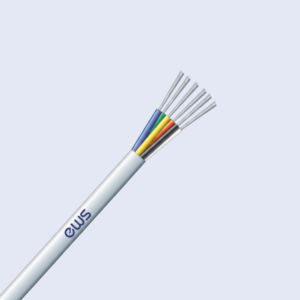
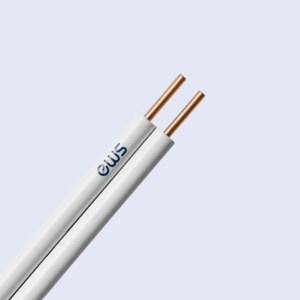
Lighting cable is designed for lighting circuits and control wiring. Smaller conductor sizes make installation easier in ceilings and confined spaces. Using the correct lighting electrical cable improves termination quality and circuit reliability.
Single Core & Twin & Earth Cable
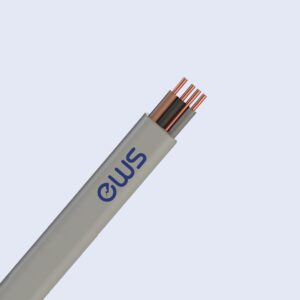
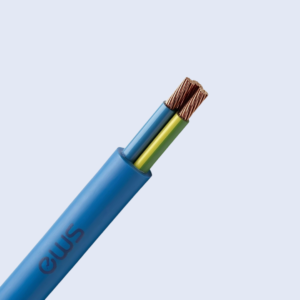
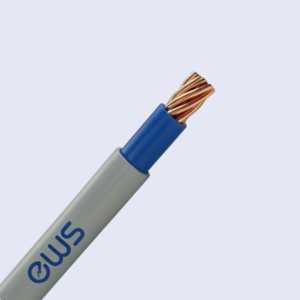
Single-core electrical cable is widely used inside trunking, conduit, and panels. Twin & earth cable remains a standard choice for fixed wiring in lighting and socket circuits. Both options are easy to install, inspect, and maintain over time.
Armoured & Outdoor Electrical Cable
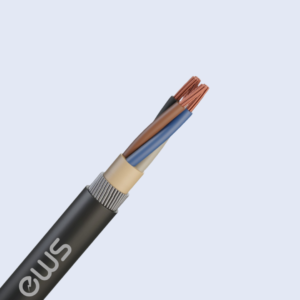
Armoured cable provides extra protection where cables face impact, moisture, or ground contact. Commonly used for outdoor runs and underground installations, this type of electrical cable reduces the need for additional mechanical protection.
Low Voltage & 12V Cable
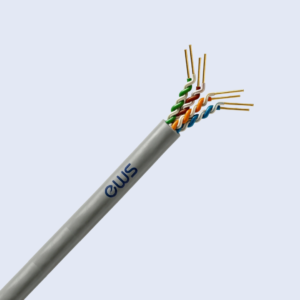
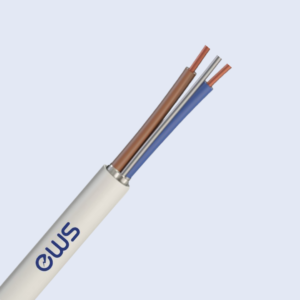
Low-voltage cable supports control circuits, alarms, and auxiliary power systems. 12V electrical cable is often used where safety and controlled power delivery are required. Correct insulation helps maintain stable performance in sensitive systems.
Cable Sizes, Ratings & Compatibility
Cable size directly affects safety and performance. Larger cables handle higher current, while smaller sizes suit lighting and control circuits. Voltage rating, installation method, and grouping should always be considered. Matching electrical cable size correctly reduces voltage drop and extends cable life.
Buying Electrical Cable by the Metre
Buying cable by the metre helps reduce waste and control costs. Ideal for maintenance work, upgrades, and phased installations, it allows installers to order exactly what a project needs without excess material. Clear labelling makes repeat ordering simple for ongoing work.
Who Does This Category Help Most
Electrical Contractors & Electricians
Reliable electrical wires and cables provide support for faster installation and fewer callbacks.
M&E and Facilities Teams
Correct electrical cable choice improves system stability and long-term maintenance.
Builders & Developers
Quality electrical cable supports safe, scalable infrastructure.
Procurement & Trade Buyers
Consistent specifications and bulk availability simplify purchasing.
Buying Guide: Making the Right Choices
Choosing the Correct Cable
Start with load requirements. Then consider voltage, installation environment, and routing method. Indoor wiring may suit twin & earth cable, while exposed areas often need armoured cable. Correct selection improves safety and inspection outcomes.
Safety and Compliance Considerations
Always follow applicable wiring regulations. Correct electrical cable sizing, insulation type, and routing help reduce fault risk. Compliance from the start avoids costly rework later.
Common Use Cases
Electrical cable is used in homes, offices, warehouses, factories, and public buildings. It supports power distribution, lighting systems, control wiring, and equipment supply. Well-chosen electric cable makes future upgrades easier and safer.
Technical Specifications & Guidance
Each electrical cable includes size, rating, and application details. This covers conductor size, voltage rating, insulation type, and suitable environments. Using a compatible mains electrical cable reduces installation errors and saves time on site.
Supporting Your Workflow
Ordering electrical cable from one category streamlines projects. Cable by the metre supports small jobs, while bulk options suit large installations. Clear product grouping helps teams find the right cable quickly.
Frequently Asked Questions
What cable is best for lighting circuits?
Use a smaller-rated lighting cable. Confirm load and standards.
Can I buy cable by the metre?
Yes. Cable by the metre reduces waste and improves cost control.
When should I use armoured cable?
Use armoured cable outdoors, underground, or where mechanical protection is needed.
How do I choose cable size?
Consider current load, voltage, installation method, and environment.
What is the difference between a single core and twin & earth cable?
Single-core electrical cable is used mainly inside conduits, panels, or for specific circuits. Twin & earth cable combines live, neutral, and earth conductors in one sheath.
Can electrical cables be used outdoors?
Only use cables rated for outdoor or exposed conditions, such as armoured cable or weather-resistant low-voltage cable.
How do I safely cut and terminate electrical cables?
Use insulated tools, measure accurately, strip insulation carefully, and secure connections with approved connectors, ferrules, or glands.
What is fire-rated cable, and where is it required?
Fire-rated electrical cable maintains circuit integrity during fire, for emergency lighting, alarms, or life-safety circuits.
How do I reduce voltage drop in long cable runs?
Use a larger conductor size, limit run length, and avoid grouping too many cables together without spacing.
What maintenance should I perform on installed cables?
Inspect for damaged insulation, loose connections, and exposed conductors. Check that armoured or outdoor cables remain protected and labels are legible.
Browse Cable
Explore the full range of electrical cables for power, lighting, and fixed wiring. Choose the right electric cable, plan confidently, and complete installations that last.