




Cable, Management & Accessories
When you work on electrical installations, the small details decide the outcome. Cables must stay protected. Routes need to stay organised. Connections must remain safe for years, not months.
That’s why cable, management & accessories matter just as much as the cable itself.
At EWS – Electrical Wholesale Supplies, we provide everything from electrical cable and cable management to conduit, trunking, trays, clips, glands, and earthing accessories. This category brings everything together in one place—so projects move faster and stay compliant.
Whether you’re planning a new installation or maintaining an existing system, the right components reduce faults, save time on site, and make future upgrades easier.
One-Stop Supply for Cable, Management & Electrical Accessories
Most contractors don’t want to jump between suppliers for cable, conduit, and accessories.
They want compatibility, availability, and clear specifications.
This category covers the full scope of cables and accessories, including electrical cable, cable management systems, conduit and trunking, cable trays, fixings, glands, ferrules, connectors, and earthing products. Everything works together, which reduces guesswork during installation.
As a result, installers spend less time sourcing parts and more time completing work to standard.
What We Offer at a Glance
From everyday electrical cable to specialist cable management accessories, this range supports commercial, industrial, and residential projects.
You’ll find electrical cables, cable conduit, conduit and trunking, PVC and metal trunking, cable trays, cable channelling, cable sleeving, cable clips, zip ties, cable glands, ferrules, adaptable boxes, terminal blocks, DIN rails, electrical connectors, and earthing accessories.
Each product category exists to solve a practical problem on site—routing cables safely, protecting insulation, securing runs, or ensuring proper earthing.
Cable & Cable Accessories
Electrical Cable for Everyday and Specialist Use
Electrical cable forms the backbone of every installation.
From general wiring to specific applications, choosing the correct cable protects equipment and people.
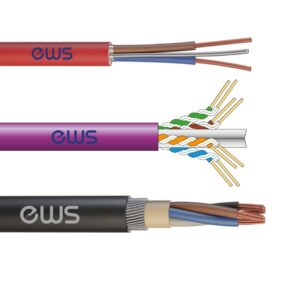
This range includes electrical cable, electric cable, cables and accessories, and cable accessories designed for reliable performance. Matching cable type to environment—indoor, outdoor, or high-load—helps reduce heat build-up and long-term wear.
Good cable selection also makes testing and fault-finding far easier later on.
Cable Management Systems
Keeping Cable Runs Safe and Organised
Cable management isn’t just about neatness.
It protects insulation, reduces strain, and supports long-term system safety.
Cable management and wire management solutions include cable channels, cable carriers, cable casing, cable covers, and cable sleeving. These products help guide cables along walls, ceilings, and floors while keeping them accessible for inspection.
Well-managed cables improve airflow, reduce trip hazards, and simplify future maintenance.
Conduit, Trunking & Cable Trays
Structured Routes for Electrical Installations
Conduit and trunking provide mechanical protection and clear routing for electrical cables.
Choosing the right system depends on location, load, and access needs.
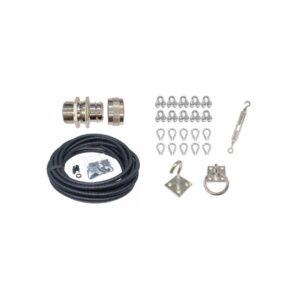
This category includes conduit, conduit fittings, PVC conduit, flexible conduit, electrical trunking, metal trunking, plastic trunking, cable trays, PVC cable trays, plastic cable trays, and steel cable trunking.
Cable tray sizes, widths, and dimensions allow installers to plan routes accurately, especially in commercial and industrial environments where cable volumes increase over time.
Cable Channels, Covers & Sleeving
Extra Protection Where It Matters Most
Some areas need added protection or visual control.
Cable channelling, cable casing, cable covers, and cable sleeving help protect cables from impact, moisture, and accidental damage.
These solutions work well in exposed areas, refurbishments, and retrofit projects where surface mounting is required.
They also improve the finished look of visible cable runs without compromising safety.
Fixings, Clips & Protection Accessories
Securing Cables the Right Way
Loose cables cause strain, abrasion, and early failure.
That’s why proper fixings matter.
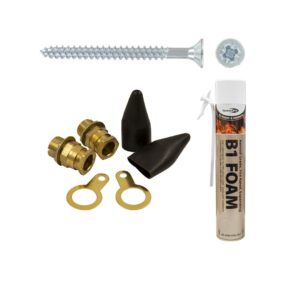
This section includes cable clips, cable wall clips, cable clips for walls, zip ties, cable tie mounts, cable tidies, ferrules, bootlace crimps, and electrical ferrules. Each item supports secure fixing and clean termination.
Using the correct fixing also helps maintain spacing, which supports heat dissipation and cable lifespan.
Cable Glands & Earthing Accessories
Safe Termination and Electrical Continuity
Cable glands protect cable entries while maintaining strain relief and environmental sealing.
Earthing components ensure electrical continuity and safety.
You’ll find cable glands, brass cable glands, gland accessories, earthing clamps, earth clamps, earth tags, earth bars, earth rods, and earthing tape. These products support compliance with UK electrical standards and reduce risk during faults.
Correct gland and earthing selection prevents moisture ingress and loose terminations over time.
Electrical Connections & Mounting Systems
Reliable Connections Inside Panels and Enclosures
Strong connections reduce downtime and simplify maintenance.
This category includes electrical connectors, wire connectors, terminal blocks, DIN rail terminal blocks, DIN rail connectors, adaptable boxes, and choc boxes.
Mounting and support items such as beam clamps, purlin clips, girder clips, and finger trunking help secure systems cleanly inside panels and structural areas.
Together, they support organised, serviceable installations.
Who This Category Helps Most
Electrical Contractors & Installers
Contractors benefit from having cable, conduit, trunking, trays, clips, and glands in one place.
It speeds up ordering and improves on-site efficiency.
M&E and Facilities Teams
Facilities teams rely on durable earthing accessories, DIN rails, and terminal blocks for long-term system stability and easy maintenance.
Builders & Developers
Builders use these systems to support safe, scalable electrical infrastructure across commercial and residential projects.
Procurement & Wholesale Buyers
Procurement teams value consistent specifications, bulk availability, and fast reordering for ongoing projects.
Buying Guide: Making the Right Choices
Choosing the Correct Components
Start by planning cable routes.
Then select cable tray sizes, conduit types, or trunking based on load, space, and access.
Flexible conduit suits tight spaces, while metal trunking works better for high-traffic or exposed areas.
Match cable glands and ferrules to cable diameter for secure termination.
Safety and Compliance Considerations
Always consider earthing requirements.
Use approved earth clamps, earth rods, and earthing accessories to maintain electrical continuity.
Choosing compliant materials improves safety and reduces inspection issues later.
Common Use Cases
Cable, management & accessories support electrical installations in offices, factories, warehouses, housing developments, and public buildings.
They’re also widely used in data and telecom installations, fire and security systems, and retrofit projects where organisation and protection matter most.
Good cable management makes future upgrades simpler and safer.
Technical Specifications & Compatibility
Each product includes size and compatibility guidance.
This covers cable tray widths and dimensions, conduit sizes, gland sizes, ferrule types, DIN rail standards, and material options such as PVC, plastic, steel, and metal trunking.
Matching components correctly reduces installation errors and saves time on site.
Supporting Your Workflow
Ordering cable and cable management accessories together helps streamline projects.
Bulk-friendly options support larger jobs, while repeatable SKUs simplify reordering.
Clear product categories make it easier to find exactly what you need without delays.
Frequently Asked Questions
What types of electrical cable are available for commercial projects?
– We stock LV/HT power cables, control cables, data cables (Cat5e/Cat6, Cat6a), coax, armoured cables, and elastomeric/screened variants. Selection depends on voltage, environment, and regulatory requirements.
How do I choose the right cable rating (voltage and current) for a project?
– Check the circuit design, load calculations, and applicable standards (BS 7671/IEEE). Use the manufacturer’s ampacity tables and consider installation method, temperature, and grouping.
What are cable trays and ladder systems, and when should I use them?
– Cable trays/ladder systems provide supports for multiple circuits, improve airflow, and simplify maintenance. Use them in commercial/industrial installations with high cable counts or where future expansion is likely.
What is the difference between plastic trunking and metal conduit?
– Plastic trunking is cost-effective and easy to install for general-purpose wiring. Metal conduit offers superior mechanical protection and grounding capability, suitable for harsh or industrial environments.
What is fire-rated cable, and where is it required?
– Fire-rated cables maintain circuit integrity during a fire (e.g., in life-safety or emergency circuits). They are required where disruption of power could endanger occupants or critical systems, per local regulations.
What are anti-tracking and armoured cables used for?
– Armoured cables provide mechanical protection in harsh environments and outdoors. Anti-tracking cables resist surface damage on installations subject to moisture or chemical exposure.
What cable accessories do I need for a safe, compliant install?
– Common accessories: glands and seals, cable cleats, cable ties, zip ties, heat-shrink sleeves, labelling, cable markers, glands for glands-to-conduit transitions, and MS connectors.
How do I select the right gland and seal for a conduit or cable entry?
– Consider cable diameter, termination method, environment (IP rating), and whether moisture or dust ingress must be prevented. Match the enclosure or enclosure gland to maintain integrity.
What are cable cleats, and why are they important?
– Cable cleats secure cables inside routes like trays or ducts, preventing movement during short-circuit conditions or vibration. They are essential for safety and compliance in LV installations.
How do I choose the right conduit and fittings?
– Consider the environment (indoor/outdoor, chemical exposure), mechanical protection, bending radii, and whether metal or PVC is preferred. Use compatible fittings to maintain IP/ETC ratings.
What are the key standards I should follow for cable management?
– BS 7671 (IET Wiring Regulations) for the UK, EN standards where applicable, and product-specific guidance from manufacturers. Ensure proper sizing, separation, and protection.
How do I plan for future expansion in cable management systems?
– Use modular trays, reserve additional spaces in trunking, label cables clearly, and select trays/ducts with adequate load rating and space for add-ons.
What maintenance or inspection should be performed on cable management systems?
– Inspect for signs of wear, corrosion, loose fittings, damaged insulation, and label readability. Check for adequate clearance and ensure routes remain unobstructed.
Browse Cable, Management & Accessories (Call To Action)
Explore the full range of cable, cable management, conduit, trunking, trays, fixings, glands, earthing, and electrical accessories.
Choose by category, plan confidently, and complete installations that last.
- Explore our full Cable range
- Discover professional Cable Management solutions
- Shop all Accessories for safe electrical installations